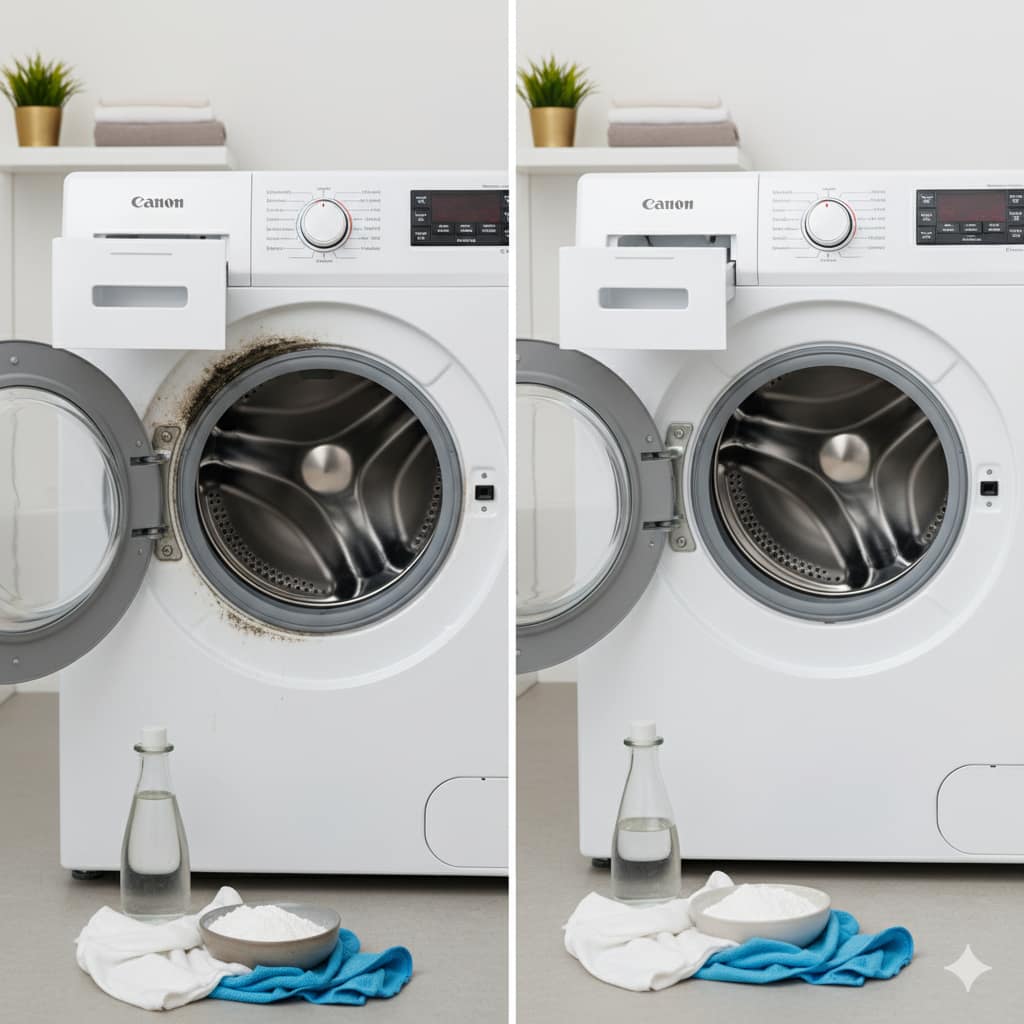
How To Deal With Bad Washing Machine Smell: 7 Proven Solutions
November 6th, 2025
Summary
What: Washing machine odors result from mold, mildew, bacteria growth, and detergent residue accumulating in hidden areas like gaskets, drum, and dispensers.
Who: Homeowners experiencing musty, mildew, rotten egg, or sewage smells from washing machines that transfer unpleasant odors to clean laundry.
Why: Heat, moisture, and detergent or fabric softener residue make washers an ideal home for mildew, mold, and bacteria causing persistent bad smells.
When: Address immediately when detecting odors—mold and bacteria multiply rapidly in damp environments, worsening within days without intervention.
How: Deep clean with vinegar and baking soda, scrub rubber gaskets, clean filters, leave door open for ventilation, and maintain monthly cleaning schedules.
Introduction
Does opening your washing machine door release a wave of musty, unpleasant odor? Are your freshly washed clothes coming out smelling worse than before? Unpleasant odors can emanate from a washing machine over time due to mildew, residues attached to clothing, and softener or detergent buildup.
The problem extends beyond mere inconvenience. Mold spores and bacteria growing inside your machine transfer directly onto your laundry, causing clothes to smell musty even after drying. Bad habits such as leaving damp laundry sitting in the washing machine, overdosing detergent and even overloading the drum will all contribute to bacterial growth.
This guide reveals 7 proven solutions for eliminating washing machine odors permanently. You’ll discover simple cleaning methods using household ingredients, identify hidden problem areas, and learn prevention strategies that keep your machine fresh between washes.
Why Does My Washing Machine Smell Bad?
Understanding odor sources helps you target cleaning efforts effectively. Soap scum, dirt, lint, water minerals and fabric softener can build up in your washing machine and create the perfect environment for grime and bacteria to grow over time.
Trapped Moisture Creates Bacterial Growth
Heat, moisture, and detergent or fabric softener residue make washers an ideal home for mildew, mold, and bacteria. Front-load washers are especially vulnerable due to airtight seals that trap water after cycles complete.
Problem Areas:
Rubber door gasket folds trap standing water
Drum interior retains moisture without airflow
Detergent dispenser drawer collects residue and water
Filter housing accumulates damp lint and debris
Detergent and Fabric Softener Residue
Using too much detergent leaves behind residue that traps bacteria and moisture, while liquid softeners create a waxy coating that molds love to cling to.
How Buildup Occurs:
High-efficiency machines use less water, leaving concentrated residue
Liquid detergents create sticky film inside drum
Fabric softeners coat internal surfaces with waxy layer
Excess detergent can accumulate in or around the drum or filter combined with the damp environment producing a foul smell
Biological Contamination Sources
Buildup can occur in the gasket, drum, dispensers, around the door, under the washer’s lid and in any area where wash water reaches.
Common Contaminants:
Body oils and sweat from clothing
Pet hair and dander
Dirt and mud particles
Food residue from kitchen towels
Dead skin cells and lint
What Are the Different Types of Washing Machine Odors?
Different smells indicate specific problems requiring targeted solutions.
Musty or Mildew Smell (Most Common)
Characteristics:
Damp, earthy odor similar to wet basement
Most noticeable when opening machine door
Traces of mould can pass onto clothes leaving them smelling musty even if dried promptly
Primary Causes:
Trapped moisture, detergent residue, and organic buildup in areas like the gasket or detergent tray
Door kept closed between washes preventing air circulation
Mold growing in rubber seal folds
Solution Focus: Deep cleaning with vinegar, improving ventilation, wiping gasket after use.
Rotten Egg or Sulfur Smell
Characteristics:
Sharp, unpleasant sulfur odor
Often worse when running hot water cycles
May indicate hydrogen sulfide gas presence
Primary Causes:
Hydrogen sulfide gas produced by bacteria buildup
Stagnant water in drain hose or filter
Hard water mineral deposits creating bacterial environment
Solution Focus: Sanitize with bleach or vinegar, check drain system, clean filter thoroughly.
Sewage or Drain Smell
Characteristics:
Foul waste-like odor
Sulfur and/or human waste odor indicating one of two plumbing problems
Smell persists even after cleaning machine
Primary Causes:
Clogged or improperly installed drain pipe
Dry P-trap allowing sewer gas entry
Blocked vent pipe
Standing water in drain hose
Solution Focus: Inspect plumbing connections, check P-trap, may require professional plumber.
Wet Dog or Damp Cloth Smell
Characteristics:
Wet dog smell from buildup creating unpleasant odor
Similar to leaving laundry wet too long
Intensifies with machine age
Primary Causes:
Clothes containing residues may develop malodors if allowed to remain in washer overnight or for extended periods
Inadequate drainage leaving residual water
Filter clogged with organic matter
Solution Focus: Never leave wet clothes in machine, clean filter monthly, run hot cleaning cycle.
How Do I Deep Clean My Washing Machine with Vinegar and Baking Soda?
This is the ultimate eco-friendly washing machine cleaner that works wonders using vinegar to kill bacteria and break down grime while baking soda neutralizes odors and lifts residue.
Complete Deep Cleaning Process
Step 1: Clean the Rubber Gasket
For Front-Load Washers:
Pull rubber seal away from drum completely
Inspect all folds for trapped debris, hair, or mold
Use cloth dipped in 1:1 solution of vinegar and baking soda to thoroughly wipe the gasket
For stubborn mold, spray with straight vinegar and let sit 10 minutes
Scrub gently with soft brush or old toothbrush
Dry completely with clean cloth
For Top-Load Washers:
Lift lid and inspect rim around opening
Wipe down with vinegar solution
Check under lid for hidden buildup
Step 2: Run Vinegar Cleaning Cycle
Add 2 cups of white vinegar to the detergent dispenser and run a complete cycle at the highest possible temperature setting or use your washer’s cleaning setting.
Process:
Add two cups of white vinegar to the detergent drawer for front-loaders or directly into drum for top-loaders
Select hottest water temperature available (ideally 60°C/140°F+)
Run longest cycle option
Allow water-and-bleach solution to sit for 30 minutes then resume the cycle for maximum effectiveness
Step 3: Run Baking Soda Cycle
Run another cycle adding ½ cup of baking soda to the drum to neutralize remaining odors.
Process:
Sprinkle half a cup of bicarbonate of soda directly into the drum
Run second hot water cycle
This neutralizes vinegar smell and lifts remaining residue
Soak in hot water with 1 cup vinegar for 30 minutes
Use old toothbrush to scrub compartments and crevices
Pay special attention to fabric softener compartment (most buildup)
Rinse thoroughly under running water
Dry completely before reinstalling
Step 5: Clean the Filter
Location:
Front-loaders: Usually bottom front behind small access panel
Top-loaders: Under agitator or along top rim
Cleaning Process:
Place towel underneath to catch water
Unscrew or pull filter assembly
Remove filter and rinse under running water giving it gentle scrub to remove stubborn residue
Check for trapped coins, lint, hair, small items
Wipe filter housing interior
Replace filter securely
Step 6: Wipe Down Interior
After cleaning with either bleach or vinegar, rinse the drum out by running a service wash at the hottest setting with the drum empty.
Final Touches:
Use microfiber cloth dampened with vinegar solution
Wipe entire drum interior including under rim
Clean door glass thoroughly
Wipe exterior and control panel
Leave door and dispenser open to air dry 2-4 hours
What Common Mistakes Should You Avoid When Cleaning?
❌ Mistake 1: Using Bleach and Vinegar Together
Why It’s Problematic: Mixing bleach and vinegar creates toxic chlorine gas that’s dangerous to breathe and can cause respiratory damage.
✅ Correct Approach:
Use bleach OR vinegar, never both simultaneously
If using bleach first, run complete rinse cycle before vinegar
Wait 24 hours between bleach and vinegar treatments
Vinegar is safer for regular maintenance
❌ Mistake 2: Closing Door Immediately After Cleaning
Why It’s Problematic: Even 1-2 hours of leaving the door open can make a huge difference to internal bacterial growth by allowing residual water within to air-dry.
✅ Correct Approach:
Leave door open minimum 2-4 hours after cleaning
Keep door ajar between all wash cycles
Position machine where open door won’t obstruct traffic
Leave the door open between cycles to allow air circulation
❌ Mistake 3: Using Too Much Detergent
Why It’s Problematic: Excess detergent accumulation combined with damp environment produces foul smell and traditional high sudsing detergent results in residues throughout the water.
✅ Correct Approach:
Measure out the amount of product for every wash to ensure clothes are cleaned properly and avoid buildup
Use HE (High-Efficiency) detergent for HE machines
For HE machines use HE-specific detergent as regular detergent creates too many suds
Start with half manufacturer’s recommended amount
❌ Mistake 4: Ignoring the Filter
Why It’s Problematic: Your washing machine’s filter catches lint, hair, and debris but if left uncleaned becomes a source of bad odours and affects machine performance.
✅ Correct Approach:
Clean your filter every 4-6 weeks to keep your machine running smoothly
Set calendar reminders for regular cleaning
Check after washing pet bedding or heavily soiled items
Keep spare towels nearby for water spillage
❌ Mistake 5: Leaving Wet Clothes Inside
Why It’s Problematic: A washer that contains residues may cause the entire clothes load to develop malodors if allowed to remain overnight or for extended periods.
✅ Correct Approach:
Promptly remove clothes from the machine after washing to prevent unpleasant odours
Why It’s Problematic: Fabric softener leaves behind sticky film that encourages mold growth and creates waxy coating trapping bacteria.
✅ Correct Approach:
Skip fabric softener and try vinegar as natural alternative to keep clothes soft and washer free from buildup
Add ½ cup white vinegar to rinse cycle
Use wool dryer balls instead of dryer sheets
Alternate with powder detergent every few washes as it helps break down buildup
How Do I Prevent Washing Machine Smells from Returning?
Prevention requires consistent habits rather than intensive cleaning efforts.
Daily Prevention Habits
After Every Wash:
Once washing is out of the machine do not close the door as it needs chance to air-dry the residual water within
Wipe down rubber gasket with dry towel
Remove any visible lint or debris
Leave detergent dispenser slightly open
Weekly Maintenance:
Run one hot water cycle (empty) per week
Inspect gasket folds for trapped items
Wipe door glass and exterior surfaces
Check for standing water in dispenser
Monthly Deep Maintenance
Complete Monthly Routine:
Keep washer clean by regularly washing the appliance monthly or after every 30 wash cycles to avoid wet dog smell
Run full vinegar cleaning cycle
Clean filter thoroughly
Remove and soak detergent dispenser
Clean the detergent tray monthly
Inspect drain hose for kinks or clogs
Load Management Best Practices
Proper Loading Techniques:
Don’t overload to avoid poor washing results and unpleasant odour by sticking to recommended load size
Fill drum 70-80% maximum capacity
Separate heavily soiled items from regular loads
Wash pet bedding separately on hot cycle
Detergent Usage:
Use appropriate amount of HE detergent
Measure with provided cup, never estimate
Less detergent often cleans better than more
Consider switching to powder detergent periodically
When Should I Call a Professional for Washing Machine Odors?
Some odor problems exceed DIY cleaning capabilities and require professional diagnosis.
Warning Signs Requiring Professional Help
Sewage Smell After Deep Cleaning:
If washing machine smells like sewage with sulfur and human waste odor, sewer gas is both flammable and damaging to health
Pull machine away from wall and check drain pipe
If odor comes from plumbing, you need professional plumber
May indicate clogged drain, dry P-trap, or vent pipe issues
Persistent Smell Despite Multiple Cleanings:
If Samsung washing machine smells despite regular cleaning there could be internal buildup or clogged filter requiring professional service
Mold may be growing inside inaccessible drum areas
Internal components may need replacement
Seal damage allowing water intrusion
Mechanical Issues Accompanying Odor:
Machine not draining properly
Error codes appearing on display
Unusual noises during operation
Water leaking from machine
Burning smell (immediate professional attention)
When DIY Attempts Fail:
If you’ve tried all solutions and washing machine still smells bad it’s time to call in a professional
Three or more cleaning cycles without improvement
Smell worsening rather than improving
Multiple odor types present simultaneously
Professional Service Costs
Diagnostic Service:
Service call fee: $70-$130 typically
Usually applied toward repair if you proceed
Includes inspection and diagnosis
Worth investment for complex problems
Common Repairs:
Drain pump replacement: $150-$350
Drain hose replacement: $100-$200
Gasket/seal replacement: $150-$300
Deep internal cleaning service: $120-$200
Frequently Asked Questions
Why does my washing machine smell like mildew?
Mildew smell occurs when bacteria and mold grow in your washing machine or on damp clothes from leaving wet clothes in washer too long (8+ hours), keeping washer door closed between loads, or having dirty washing machine drum with residue buildup. Fix by cleaning machine monthly with 2 cups white vinegar on hottest cycle and always leave door open after washing to air dry, especially for front-loading machines prone to water pooling in rubber gasket.
How do I clean a washing machine that smells like rotten eggs?
Rotten egg smell indicates hydrogen sulfide gas produced by bacteria buildup requiring deep cleaning. Run empty hot cycle with 2 cups white vinegar, followed by cycle with ½ cup baking soda. Run 2/3 cup of bleach on short cycle and allow it to sit for 15 minutes before rinsing and draining, repeating process couple times during initial treatment then once monthly. Check for gas leak or sewer issues if smell persists.
Can I use bleach instead of vinegar to clean my washing machine?
Both are effective with bleach being strong disinfectant that kills mold and bacteria but can be harsh on machine components, while vinegar is natural alternative that dissolves buildup and deodorizes making it safer option for routine maintenance. Never mix bleach and vinegar together as this creates toxic chlorine gas. Use bleach for severe mold problems, vinegar for monthly maintenance.
How often should I clean my washing machine?
Keep washer clean by regularly washing the appliance monthly or after every 30 wash cycles. Clean your washing machine every 30-90 days depending on usage frequency. Run monthly vinegar cycle, clean filter every 4-6 weeks, wipe gasket after each use, and leave door open between washes for ventilation.
Why do my clothes smell bad after washing?
Clothes smell bad after washing due to dirty washing machine transferring odors, using wrong detergent amount, leaving wet laundry too long in machine, or low-quality detergent leaving residue. Rewash with 1 cup white vinegar or ½ cup baking soda along with regular detergent using hottest water safe for fabric, and for extremely stubborn odors pre-soak in vinegar solution (1 part vinegar to 3 parts water) for 30-60 minutes.
What’s the best way to prevent washing machine odors?
Leave door open between cycles to allow air circulation, wipe down gasket and drum regularly, use appropriate amount of HE detergent, and clean detergent tray monthly. Even 1-2 hours of leaving door open makes huge difference to internal bacterial growth. Remove clothes immediately after cycle completes, skip fabric softener, and run monthly cleaning cycle with vinegar.
Should I use powder or liquid detergent to prevent smells?
Liquid detergent can leave sticky residue so try alternating with powder detergent every few washes as it helps break down buildup and keeps machine cleaner. Powder detergent dissolves completely leaving less residue, while liquid detergents create films that trap bacteria. For HE machines, always use HE-specific formula regardless of type to prevent excess suds and buildup.
Conclusion
Bad washing machine smells aren’t permanent problems—they’re solvable with systematic cleaning and preventive habits. Unpleasant odors from washing machines have numerous causes including mildew, residues from clothing, and softener or detergent buildup that accumulate in hidden areas without regular maintenance.
Key Takeaways:
Deep clean monthly with vinegar and baking soda using 2 cups vinegar followed by ½ cup baking soda on hottest cycle to kill bacteria and neutralize odors naturally
Leave door open after every wash for minimum 2-4 hours allowing residual moisture to evaporate and preventing mold growth in rubber gaskets and drum
Clean the filter every 4-6 weeks removing trapped lint, hair, and debris that create foul odors and affect machine performance
Skip fabric softener completely as it creates waxy coating that traps bacteria—use ½ cup white vinegar in rinse cycle as natural alternative
Prevention beats intervention every time. Running a service wash cycle about once a month helps prevent washer smells from coming back by maintaining clean internal components. Simple daily habits like wiping gaskets, removing clothes promptly, and maintaining proper ventilation eliminate most odor problems before they start.
Make the upcoming year your washing machine stays fresh. Your clothes will smell better, your appliance will last longer, and your laundry room will finally smell clean instead of musty.
Table Of Contents
newsletter signup
Get expert appliance tips, maintenance guides, and exclusive repair discounts delivered to your inbox
Appliquix connects you with certified local appliance repair technicians across the US, Canada, Australia, and Europe. Fast, reliable, and affordable appliance repairs at your doorstep