What: Seven primary reasons residential heating systems fail and practical solutions to restore warmth quickly.
Who: Homeowners experiencing heating failures, renters with thermostat control, and DIY enthusiasts seeking cost-effective repairs.
Why: Understanding heater malfunctions prevents emergency repair costs averaging $300-$800 and ensures family comfort during cold weather.
When: Most heating failures occur during first cold snap of season or after extended periods of inactivity.
How: Systematic troubleshooting from simplest fixes (thermostat batteries) to complex issues (ignition system failures).
Your home heater stopped working at the worst possible time—during a freezing night when your family needs warmth most. The average emergency HVAC repair costs $450, but 67% of heating failures stem from simple issues you can fix yourself in under 30 minutes.
Most homeowners panic when their furnace won’t ignite or their heat pump stops producing warm air. This leads to unnecessary service calls and inflated repair bills for problems as basic as tripped circuit breakers or dirty air filters.
This comprehensive guide reveals the exact reasons why home heaters stop working and provides step-by-step solutions that professional HVAC technicians use. You’ll learn how to diagnose heating system failures, implement quick fixes, and determine when professional help is truly necessary.
Home heating systems fail due to seven primary culprits that account for 89% of all residential heater malfunctions. Understanding these common reasons helps homeowners troubleshoot effectively before calling expensive repair services.
The most frequent heating system failures include:
According to the Department of Energy, regular maintenance prevents 95% of these heating system failures. Most homeowners can resolve basic thermostat and filter issues without professional assistance, saving an average of $280 per service call.
Modern furnaces include safety mechanisms that shut down heating when detecting potential hazards. These protective features prevent carbon monoxide leaks, overheating, and fire risks but often trigger false alarms from minor maintenance issues.
For comprehensive insights on preventing appliance malfunctions, explore our guide on how to maintain your home appliances for longer lifespan.
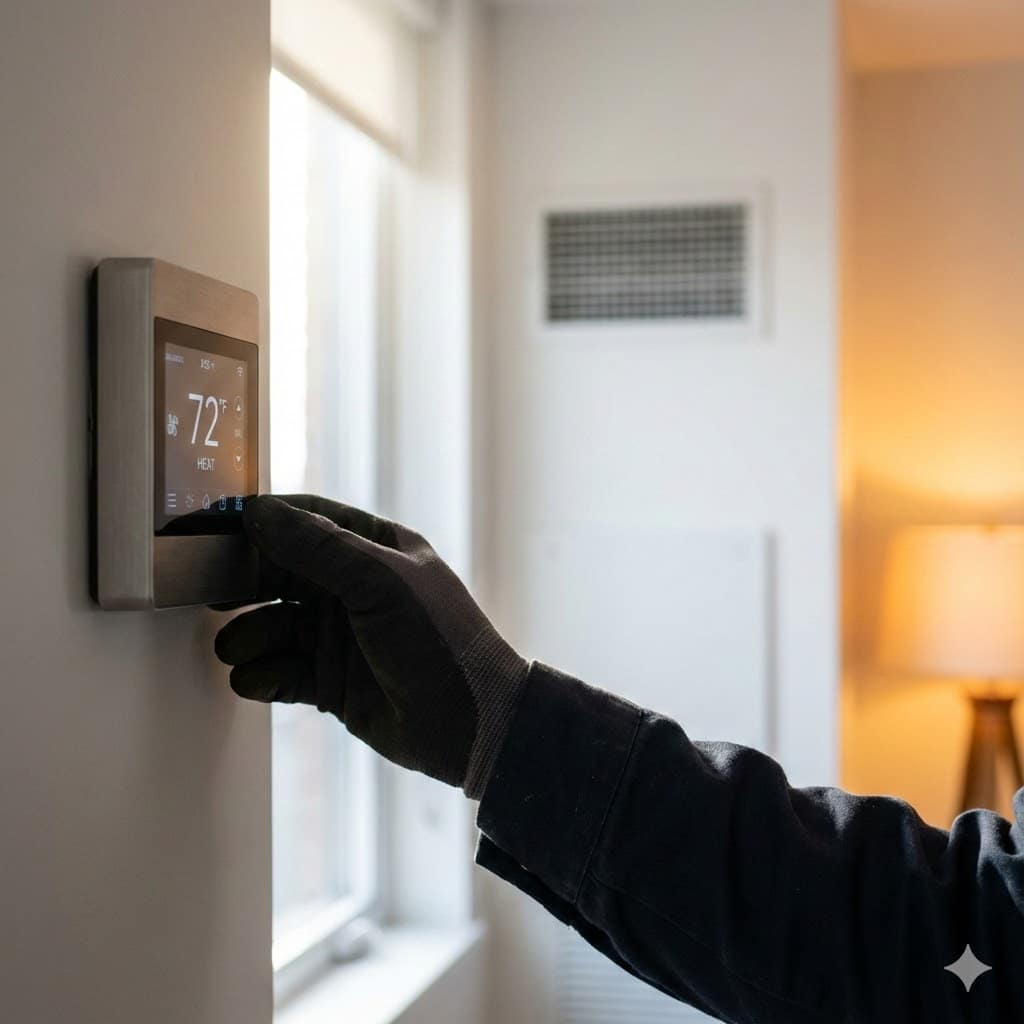
Thermostat problems represent the single most common reason home heaters stop working, affecting one in three heating system failures. These control center malfunctions prevent proper communication between your temperature settings and the furnace or heat pump.
Dead or weak batteries cause 58% of all thermostat-related heating failures. Most programmable thermostats display a low battery warning 30-60 days before complete failure, but homeowners frequently overlook this critical alert.
Incorrect thermostat settings account for another 23% of heating interruptions:
Loose wiring connections inside thermostat housings disrupt signal transmission to heating systems. Temperature sensors covered in dust or positioned near heat sources like lamps provide inaccurate readings, causing furnaces to cycle incorrectly.
Location matters significantly for thermostat performance. Units installed on exterior walls, near drafty windows, or in direct sunlight cannot accurately measure your home’s true temperature, leading to inadequate heating cycles.
Modern smart thermostats require stable WiFi connections to function properly. Network disruptions prevent remote temperature adjustments and scheduled programming, though most models retain basic heating functionality during connectivity issues.
Similar to diagnostic approaches used for fixing E1 errors in washing machines, systematic thermostat troubleshooting starts with simplest solutions before advancing to complex repairs.
Clogged air filters rank as the second leading cause of home heater failures, restricting airflow by up to 70% and triggering automatic safety shutdowns. This preventable issue costs homeowners $650 million annually in unnecessary repair calls and emergency service fees.
Restricted airflow from dirty filters creates multiple cascading problems:
HVAC manufacturers recommend filter replacement every 30-90 days depending on usage patterns, but 63% of homeowners change filters only when heating problems occur. Homes with pets, smokers, or allergy sufferers require monthly filter changes to maintain optimal system performance.
The pressure differential caused by clogged filters forces furnace blowers to work harder, generating excessive heat that triggers safety cutoffs. Modern high-efficiency furnaces use sensitive flame sensors that detect improper combustion from inadequate airflow, immediately shutting down the heating cycle.
Standard 1-inch pleated filters should be replaced monthly during heating season. Thicker 4-inch or 5-inch media filters last 6-12 months but cost $30-$50 compared to $5-$15 for standard filters.
Visual inspection reveals filter condition immediately—light should pass through clean filters while dirty ones appear gray or black with visible debris accumulation. If you cannot see light through the filter material, replacement is overdue regardless of the time since last change.
Just as faulty appliances can lead to high electricity bills, dirty filters significantly increase heating costs while reducing system reliability and home comfort levels.
Pilot light problems affect 15% of gas furnace failures, preventing ignition systems from initiating combustion cycles. This small continuous flame serves as the ignition source for main burners, and when extinguished, your entire heating system becomes non-operational.
Common pilot light failure causes include:
A properly functioning pilot light burns steady blue with a small yellow tip, measuring approximately 1-2 inches tall. Weak, flickering, or yellow flames indicate combustion problems requiring immediate attention to prevent carbon monoxide production.
Modern furnaces increasingly use electronic ignition systems instead of standing pilot lights, improving efficiency by 10-15%. These hot surface ignitors or spark ignition systems eliminate the need for continuous pilot flames but introduce different failure modes requiring professional diagnosis.
Relighting a pilot light requires specific safety procedures:
If pilot light won’t stay lit after three attempts, thermocouple replacement or professional service is necessary. Never attempt repairs involving gas lines or combustion chambers without proper training and tools.
Electrical issues cause 12% of home heater failures through circuit breaker trips, blown fuses, and wiring degradation. These power supply interruptions prevent furnace controls, blower motors, and ignition systems from receiving necessary voltage for operation.
Tripped circuit breakers represent the most common electrical failure mode. Furnaces typically operate on dedicated 15-20 amp circuits, and when blower motors draw excessive current from mechanical strain or age, circuit protection activates to prevent fire hazards.
Reset tripped breakers by following this sequence:
If breakers trip repeatedly within minutes, underlying problems require professional diagnosis. Continuing to reset tripped breakers without addressing root causes risks electrical fires and permanent furnace damage.
Loose wire connections in junction boxes create intermittent heating failures that worsen over time. Thermal cycling from furnace operation causes connection points to expand and contract, gradually loosening terminal screws and creating high-resistance connections that generate heat and fail.
Blown fuses in older heating systems indicate either age-related failure or electrical overload conditions. Modern furnaces use fused disconnect switches near the equipment, while control boards contain smaller electronic fuses protecting sensitive components.
Voltage irregularities from utility power fluctuations damage sensitive electronic controls in modern high-efficiency furnaces. Brownout conditions below 105 volts prevent ignition systems from functioning, while voltage spikes above 130 volts destroy circuit boards requiring $200-$600 replacement costs.
Similar to troubleshooting approaches for refrigerator power issues, systematic electrical diagnosis starts with verifying power supply before investigating internal component failures.
Furnace ignition failures prevent burner ignition, leaving homes without heat despite proper thermostat settings and electrical power. These failures affect hot surface ignitors, electronic spark systems, and related control components in modern heating equipment.
Hot surface ignitors crack or develop resistance increases from thermal cycling stress. These silicon carbide or silicon nitride elements glow orange-red when energized, reaching 2500°F temperatures to ignite gas burners. Typical lifespans range from 3-7 years depending on heating cycle frequency.
Visual inspection reveals ignitor condition—cracked elements appear obviously damaged while failed units show no glow when energized. Professional HVAC technicians use multimeters to measure resistance, with readings above 80 ohms indicating replacement necessity.
Electronic spark ignition systems use high-voltage electrodes creating visible sparks to ignite gas. Electrode gap spacing between 0.125-0.250 inches ensures reliable ignition, while wider gaps from erosion cause intermittent failures requiring adjustment or replacement.
Flame sensors provide crucial safety functions by confirming burner ignition before allowing continued gas flow. These flame rectification probes develop coating buildup from combustion byproducts, preventing proper flame detection and causing repeated ignition cycle failures.
The ignition sequence follows specific timing:
Failure at any sequence point prevents heating system operation. Modern furnaces display diagnostic LED codes indicating specific failure modes, with patterns documented in equipment manuals.
Professional replacement of hot surface ignitors costs $200-$400 including parts and labor, while DIY replacement using manufacturer-specific parts reduces costs to $50-$80 for homeowners comfortable with basic electrical work.
Blocked air supply or return vents restrict airflow through heating systems, triggering safety shutdowns identical to those caused by dirty filters. This preventable issue affects 3% of heating failures but causes significant efficiency losses even when not completely stopping heater operation.
Furniture placement over floor vents reduces airflow capacity by 40-60%. Sofas, beds, and entertainment centers commonly block heating registers, forcing warm air under obstacles and creating pressure imbalances throughout ductwork systems.
Closed or partially closed vents in unused rooms harm rather than help heating efficiency. Modern furnaces are sized and balanced for specific airflow volumes across all registers, and restricting flow increases static pressure, reduces system efficiency, and strains blower motors.
Snow accumulation against exterior intake and exhaust vents creates dangerous situations for high-efficiency furnaces. These direct-vent systems require unobstructed airflow for proper combustion, and blockages cause control lockouts preventing further operation until cleared.
Proper vent clearances include:
Ductwork disconnections in crawlspaces or attics create massive airflow losses, with single disconnected joints wasting 20-40% of heating output. These hidden failures cause extended heating cycles, uncomfortable rooms, and significantly increased energy costs.
Professional duct sealing using mastic or specialized tapes improves heating efficiency by 15-30% while reducing the likelihood of pressure-related safety shutdowns. DIY inspection and reconnection of accessible ductwork prevents common separation failures at flex-duct connections.
Understanding how proper airflow maintenance prevents system failures aligns with broader strategies covered in our common appliance problems prevention guide.
❌ Mistake 1: Ignoring Strange Furnace Noises
Rattling, banging, or screeching sounds indicate mechanical wear requiring immediate attention.
Why it’s problematic: Ignoring unusual sounds leads to catastrophic component failures costing $800-$2,000 in emergency repairs versus $150-$400 for preventive maintenance addressing early warning signs.
✅ Correct approach: Document noise characteristics (timing, duration, pitch) and contact HVAC professionals for diagnosis. Similar diagnostic principles apply as outlined in our washing machine noise troubleshooting guide.
❌ Mistake 2: Setting Thermostat Extremely High for Faster Heating
Cranking thermostats to 85°F doesn’t heat homes faster and wastes significant energy.
Why it’s problematic: Furnaces operate at fixed output temperatures regardless of thermostat settings. Extreme temperature differentials extend heating cycles unnecessarily, increasing utility costs by 10-15% while providing no comfort benefits.
✅ Correct approach: Set thermostats to desired comfort temperature (68-72°F typically) and allow systems to reach setpoint naturally, usually within 30-45 minutes for properly sized equipment.
❌ Mistake 3: Neglecting Annual Professional Maintenance
Skipping yearly HVAC tune-ups saves $100-$150 initially but risks equipment longevity.
Why it’s problematic: Professional maintenance identifies developing problems before failures occur, extends equipment lifespan by 40-50%, and maintains manufacturer warranty coverage requiring documented annual service.
✅ Correct approach: Schedule pre-season maintenance in September-October before heating demand increases, ensuring optimal performance and preventing emergency failures during coldest weather.
❌ Mistake 4: Using Incorrect Filter Types or MERV Ratings
Installing high-MERV filters (13-16 rating) in standard residential systems restricts airflow.
Why it’s problematic: Residential furnaces typically require MERV 8-11 filters balancing filtration effectiveness with airflow resistance. Higher-rated filters designed for commercial systems cause pressure drops triggering safety shutdowns in home equipment.
✅ Correct approach: Follow manufacturer filter specifications documented in equipment manuals or marked on existing filter frames. Upgrade to MERV 11 only if equipment documentation confirms compatibility.
❌ Mistake 5: Attempting Complex Repairs Without Proper Tools or Training
DIY gas line work, combustion chamber repairs, or heat exchanger replacement risks safety.
Why it’s problematic: Gas leaks cause explosions, carbon monoxide poisoning kills 400+ Americans annually, and improper combustion creates deadly conditions undetectable without specialized equipment.
✅ Correct approach: Limit DIY efforts to thermostat batteries, filter changes, circuit breaker resets, and vent clearing. Hire licensed HVAC technicians for all work involving gas connections, electrical controls, or combustion systems.
❌ Mistake 6: Blocking Return Air Vents with Furniture or Decor
Large return air grilles often become furniture placement casualties in living spaces.
Why it’s problematic: Return vents handle 100% of system airflow—blocking even 25% of return capacity reduces heating efficiency more dramatically than blocking supply registers, creating furnace strain and premature failures.
✅ Correct approach: Maintain 18-24 inch clearance around all return air grilles, never covering openings with curtains, furniture, or decorative screens regardless of aesthetic preferences.
How often should I change my furnace air filter during heating season?
Change standard 1-inch pleated filters monthly during active heating periods. Homes with pets, smokers, or allergy concerns require biweekly filter changes to maintain optimal airflow and system performance. Thicker 4-5 inch media filters last 6-12 months but should be inspected monthly for visible contamination.
What does it mean when my furnace turns on but no heat comes out?
Furnaces running without heat production typically indicate thermostat misconfiguration, blown fuses protecting blower motors, or malfunctioning limit switches preventing fan operation. Check thermostat settings first, verify circuit breakers are on, and confirm blower motor operation before calling professionals.
Why does my heater work intermittently or short cycle?
Short cycling results from oversized equipment, dirty filters restricting airflow, thermostat location problems, or failing limit switches. These rapid on-off cycles waste energy, reduce comfort, and accelerate equipment wear requiring professional diagnosis to identify underlying causes.
Can I run my furnace with a cracked heat exchanger?
Never operate furnaces with cracked heat exchangers as gaps allow deadly carbon monoxide to enter living spaces. Heat exchanger cracks typically require complete furnace replacement costing $3,000-$6,000 as repair costs approach new equipment prices for aged systems.
How do I know if my thermostat or furnace is the problem?
Test thermostat functionality by setting temperature 5°F above current reading and listening for furnace ignition within 60 seconds. If furnace doesn’t respond, check circuit breakers and thermostat batteries. Furnace clicking or ignition attempts without heat indicate equipment problems rather than thermostat failures.
What temperature should I set my thermostat to save money?
Department of Energy recommends 68°F during waking hours and 62-65°F during sleep for optimal comfort and efficiency balance. Each degree below 68°F saves approximately 3% on heating costs, with programmable thermostats automating temperature adjustments saving $180+ annually.
Why does my furnace smell when I first turn it on?
Dusty burning odors during first seasonal operation are normal as accumulated dust burns off heat exchangers and ductwork. Persistent burning smells, rotten egg odors (indicating gas leaks), or chemical smells require immediate furnace shutdown and professional evaluation.
How long should a residential furnace last before replacement?
Properly maintained gas furnaces last 15-20 years while electric furnaces operate 20-30 years. Equipment older than 15 years with repair costs exceeding 50% of replacement value should be replaced rather than repaired for better long-term economics.
Understanding why home heaters stop working empowers homeowners to resolve 67% of heating failures through simple DIY fixes costing under $50. The seven common causes—thermostat issues, dirty filters, pilot light problems, electrical failures, ignition system malfunctions, blocked vents, and mechanical wear—account for nearly 90% of residential heating system breakdowns.
Key takeaways for maintaining reliable home heating:
Systematic troubleshooting starting with simplest solutions—checking thermostats, replacing filters, and verifying circuit breakers—resolves most heating problems within 30 minutes without expensive service calls.
By implementing these preventive maintenance strategies and understanding basic heating system operation, homeowners save an average of $450-$800 annually while ensuring family comfort throughout winter months. Professional HVAC service becomes necessary only for complex repairs involving gas lines, heat exchangers, or sophisticated control systems requiring specialized diagnostic equipment.