
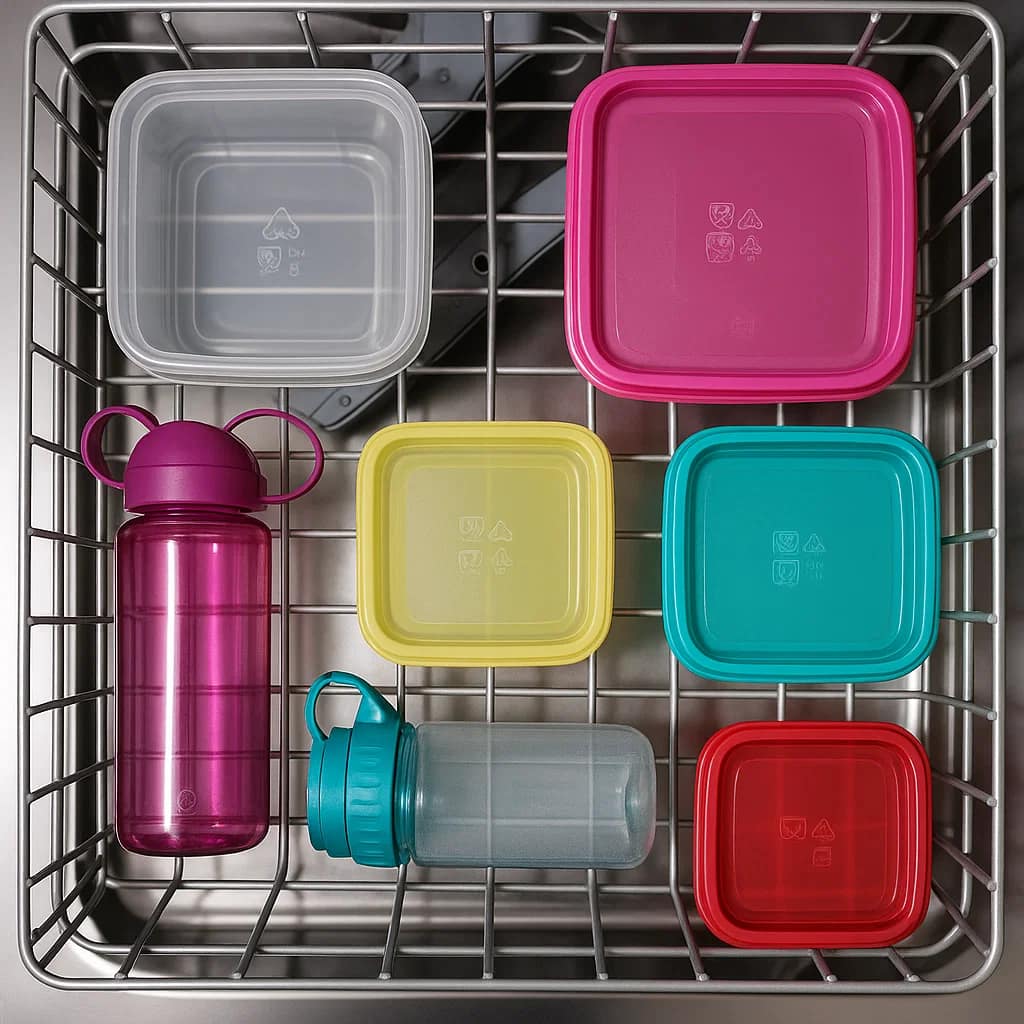
What: A comprehensive guide to safely washing plastic items in your dishwasher, including symbol identification, material safety, and health considerations.
Who: Home cooks, parents, meal preppers, and anyone using plastic containers, bottles, or kitchenware daily.
Why: Incorrect plastic dishwashing can release harmful chemicals like BPA, warp containers worth hundreds of dollars, and compromise food safety.
When: Check dishwasher safety before every new plastic purchase and reassess older items annually for degradation signs.
How: Identify recycling codes, locate dishwasher-safe symbols, understand top-rack requirements, and follow temperature guidelines for each plastic type.
You’re standing in front of your dishwasher with a stack of plastic containers. The question seems simple: can these go in the dishwasher? The wrong answer could mean warped lids, melted containers, or worse—harmful chemicals leaching into your family’s food. According to Consumer Reports, dishwasher heat can cause dangerous substances like BPA and phthalates to escape from plastics that contain them.
The consequences extend beyond ruined tupperware. Heating plastics in the dishwasher may cause harmful chemicals to leach into food, creating health risks including hormone disruption, fertility issues, and developmental problems in children. A single mistake could expose your family to endocrine disruptors with effects lasting years.
This guide delivers everything you need to confidently wash plastics in your dishwasher. You’ll learn to decode those mysterious symbols on container bottoms, understand which recycling codes indicate safety, identify genuinely safe plastics versus marketing claims, and implement proper loading techniques that protect both your health and your kitchenware investment.
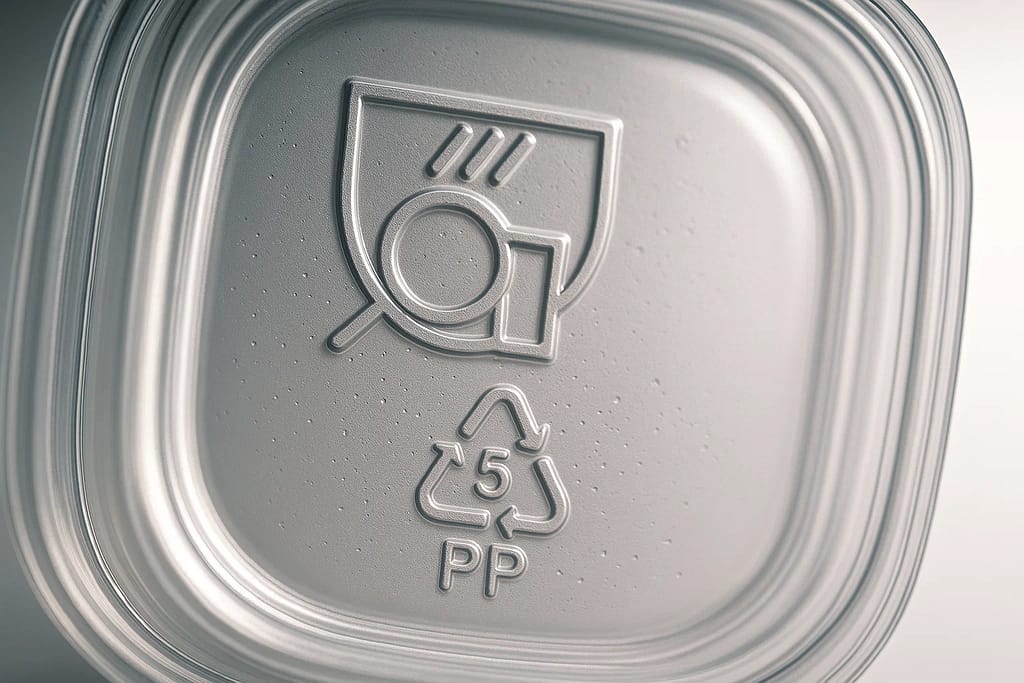
Understanding dishwasher symbols saves money and protects health. The dishwasher safe symbol typically shows a couple of circles representing plates with water droplets or diagonal lines, creating a visual representation of dishes being washed.
The Standard Dishwasher Safe Symbol
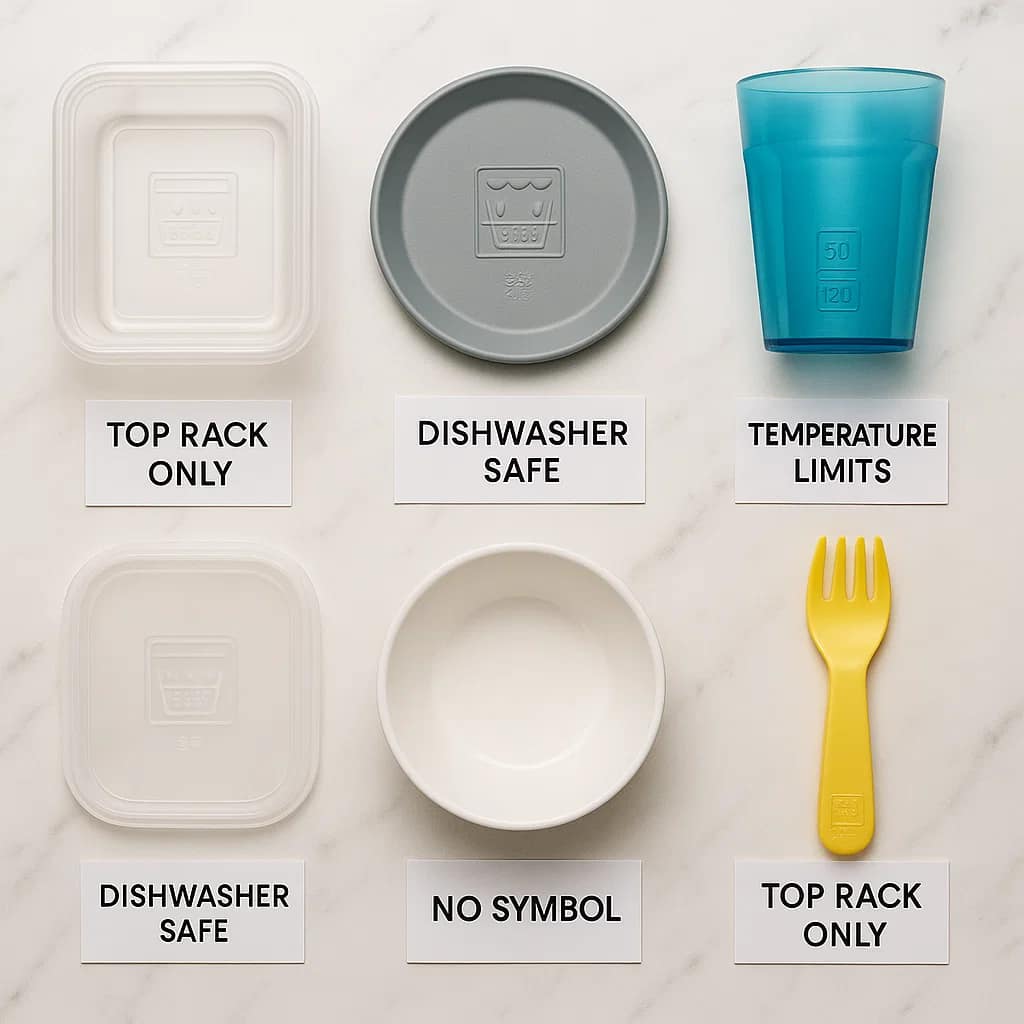
The standard icon resembles a square box with diagonal lines inside representing water jets, sometimes with plates or glasses sketched inside. This universal design appears on millions of products worldwide, though variations exist between manufacturers.
When examining your plastic items, if water droplets or diagonal lines appear throughout the entire symbol above and below the dish, the item can load onto either top or bottom rack. However, symbols showing water hitting only the top portion indicate top-rack-only placement.
Top Rack Only Symbols
When a dishwasher safe symbol includes “top rack only,” the item should only be placed on the top rack during the wash cycle to keep distance between heat-sensitive items and the dishwasher’s heated dry element. This restriction protects delicate plastics from extreme temperatures concentrated near the bottom heating element.
The top rack typically maintains temperatures 15-25°F cooler than the bottom rack. Some plastic containers carry the dishwasher safe symbol with specific top rack only indication to protect delicate lids or thin plastic from warping or melting due to high heat and pressure in the bottom rack.
Temperature Limit Symbols
Many plastic items feature additional symbols indicating specific usage, particularly temperature limits like 120°C or 250°F. These numbers represent maximum safe temperatures—exceeding them causes permanent damage.
Where to Find These Symbols
Check the bottom of dishes, handles or bases of pots and pans, stems or bottoms of glassware, and sides or bottom of plastic containers. If no symbol appears on the item itself, examine original packaging or manufacturer documentation. Some manufacturers use text instead, such as “dishwasher safe” or “dishwasher friendly”.
For detailed guidance on other dishwasher-related issues, explore our comprehensive troubleshooting resources at Appliquix.
Not all plastics handle dishwasher conditions equally. Understanding recycling codes and material properties prevents costly mistakes and health risks.
Polypropylene (#5 PP) – The Gold Standard
Polypropylene identified by recycling code #5 is highly resistant to heat and chemicals, making it one of the safest plastics for dishwasher use. This material withstands temperatures up to 210°F without warping or releasing chemicals. Most reusable food storage containers, baby bottles manufactured after 2012, and restaurant-grade kitchenware use this superior plastic.
Items marked #5 maintain structural integrity through hundreds of wash cycles. The material’s molecular structure resists degradation from hot water and harsh detergents, making it the preferred choice for meal prep enthusiasts and commercial kitchens.
High-Density Polyethylene (#2 HDPE)
Resin code number 2 HDPE is among the safest for dishwashers. This rigid plastic appears in milk jugs, detergent bottles, and some food containers. While not as heat-resistant as polypropylene, HDPE handles normal dishwasher cycles on the top rack without issue.
Low-Density Polyethylene (#4 LDPE)
Similar to HDPE but more flexible, LDPE works for dishwasher use in many applications. This plastic appears in squeeze bottles, some food wraps, and flexible container lids. Always verify dishwasher-safe labeling, as not all LDPE products undergo treatment for high-temperature exposure.
Tritan Copolyester – The BPA-Free Champion
Tritan Copolyester is a BPA-free plastic often used in water bottles, baby bottles, and kitchenware, designed to be highly durable and resistant to high temperatures. This modern plastic maintains clarity and strength through repeated washing cycles. Premium brands like Nalgene, CamelBak, and Contigo use Tritan for their high-end reusable bottles.
Polyethylene Terephthalate (#1 PET/PETE)
PET or PETE is the most common plastic for single-use bottled beverages, cheap to produce and lightweight. These plastics never belong in dishwashers. Single-use water bottles, soda bottles, and disposable food containers warp at temperatures above 140°F—far below dishwasher operating ranges.
Polystyrene (#6 PS)
Styrofoam and rigid polystyrene products melt instantly in dishwasher heat. This includes disposable cups, takeout containers, and foam food trays. Never attempt dishwashing these items—they’ll create a cleanup nightmare and potentially damage your appliance.
Polycarbonate (#7 PC)
This category includes polycarbonate plastics that often contain BPA. Even when marked BPA-free, #7 plastics use alternative bisphenols (BPS, BPF, BPAF) with similar compounds that may have similar health effects to BPA. Avoid dishwashing any #7 plastics unless explicitly marked dishwasher-safe by reputable manufacturers.
Polyvinyl Chloride (#3 PVC)
PVC plastics contain phthalates and should never enter dishwashers. These chemicals leach readily when heated, creating serious health concerns. PVC appears in some older food wraps, cheap containers, and plumbing materials.
The health implications of dishwasher-washed plastics extend far beyond immediate concerns. Understanding these risks empowers informed decisions about your family’s kitchenware.
BPA has been found to affect food and beverages that containers hold, and evidence suggests it can be damaging to health when consumed. This endocrine disruptor mimics estrogen in the body, interfering with normal hormone function. Research links BPA exposure to reduced fertility, early puberty, behavioral problems in children, and increased risks of certain cancers.
Dishwasher heat can cause harmful chemicals such as phthalates and BPA to leach from plastics that contain them. Water temperatures reaching 140-160°F during wash cycles accelerate chemical migration from plastic into food residue remaining in containers.
Manufacturers proudly stamp “BPA-FREE” across products, but this label provides false security. Some companies claim their products are BPA free, yet use similar compounds such as BPS, BPF and BPAF. These alternative bisphenols demonstrate nearly identical hormonal effects in laboratory studies.
Research from the University of Cincinnati revealed that some control bottles purchased in the United States and supposedly BPA-free actually contained traces of the chemical. The contamination occurred during manufacturing when different plastic types were processed in close proximity.
These plasticizers make flexible plastics soft and pliable but create serious health concerns. Phthalates disrupt testosterone production, reduce sperm counts, and affect male reproductive development. Studies suggest they contribute to the documented decline in male fertility rates over the past 50 years.
Dishwasher heat accelerates phthalate leaching by 300-500% compared to room temperature storage. Even brief exposure to hot water during wash cycles mobilizes these chemicals from container walls into any residual food oils or moisture.
Chemical exposure from plastics creates cumulative risks. Your body eliminates these compounds within days, but daily re-exposure from contaminated containers maintains constant blood levels. This chronic low-level exposure proves more dangerous than single high-dose events.
Children face particular vulnerability. Their developing endocrine systems lack the resilience of adult bodies. Exposure during critical developmental windows affects lifelong health trajectories, influencing everything from puberty timing to adult disease risk.
Learn more about maintaining your kitchen appliances safely in our guide on maintaining home appliances for longer lifespan.
Correct loading technique protects both your plastics and your health. Follow these systematic guidelines for optimal results.
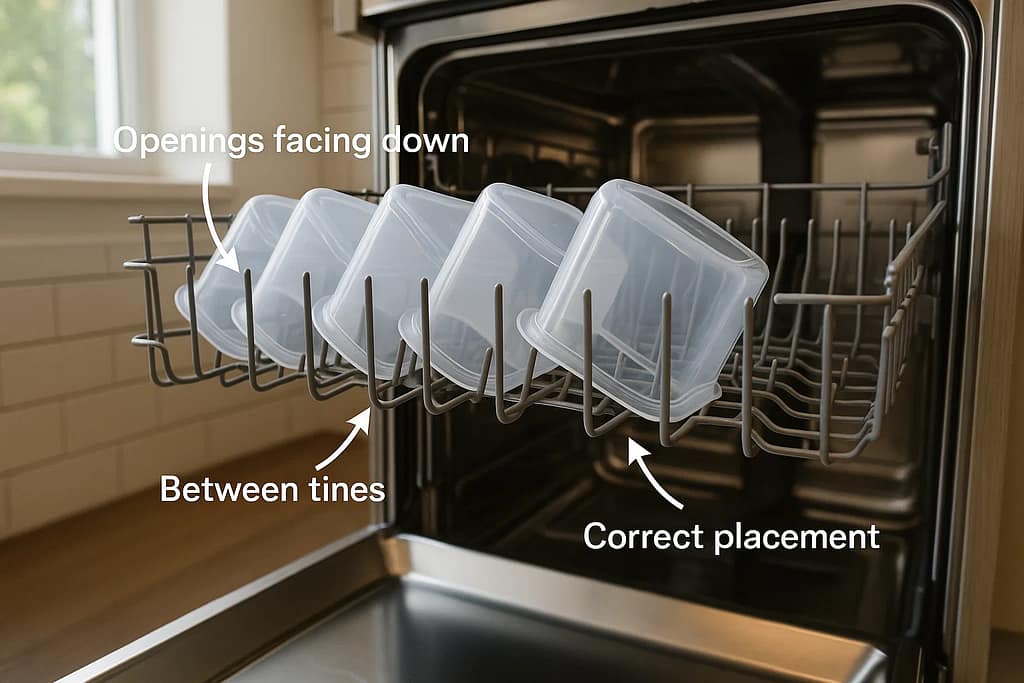
Examine each plastic item before loading. Look for cracks, cloudiness, discoloration, or rough surfaces indicating degradation. Damaged plastics leach chemicals more readily and should be replaced immediately. Check that dishwasher-safe symbols remain visible—faded markings suggest the item has reached end-of-life.
Place plastics on the top rack keeping them away from the heating element to avoid warping or melting. Position items between the tines with openings facing downward to prevent water pooling. Ensure no plastic pieces hang over the rack edge where they might contact the heating element during drying cycles.
Space items adequately for water circulation. Overcrowding prevents proper cleaning and traps heat, increasing warping risk. Leave at least 1/2 inch between containers.
Lightweight plastics flip over during vigorous wash cycles, filling with dirty water instead of cleaning properly. Use dishwasher clips or position heavier items adjacent to lightweight pieces to prevent movement. Some dishwasher models include dedicated clips specifically for securing small plastic items.
Don’t select cycles that use higher wash or dry temperatures such as the sanitize cycle when washing plastic. Choose normal, eco, or gentle cycles that maintain temperatures below 140°F. Disable heated dry functions—air drying protects plastics from sustained high-temperature exposure.
Never place plastics directly above the heating element location. In most dishwashers, this corresponds to the center or right side of the bottom rack. Heat radiates upward, creating hot zones on the bottom of the top rack. Position plastics toward the dishwasher door side where temperatures remain cooler.
Remove plastics immediately after the cycle completes. Inspect each item for warping, cloudiness, or unusual odors indicating degradation. Items showing any damage signs require immediate replacement—continued use creates health hazards.
Learning from others’ errors prevents costly damage and health risks. These frequent mistakes compromise both plastic integrity and food safety.
Not all dishwasher-safe claims meet the same standards. Budget manufacturers sometimes apply this label without rigorous testing. Verify claims by checking recycling codes—genuine dishwasher-safe items typically use #2, #4, or #5 plastics.
Disposable plastics such as food containers and water bottles are not dishwasher safe, made from plastic not designed to withstand heat. Single-use items lack the molecular structure for repeated heating. Even one dishwasher cycle compromises their integrity, releasing chemicals and creating food safety hazards.
These intensive cycles reach 160-180°F—temperatures that exceed safe limits for most plastics. Even polypropylene shows degradation at sustained exposure to sanitize cycle conditions. Reserve these cycles exclusively for glass, ceramic, and metal items.
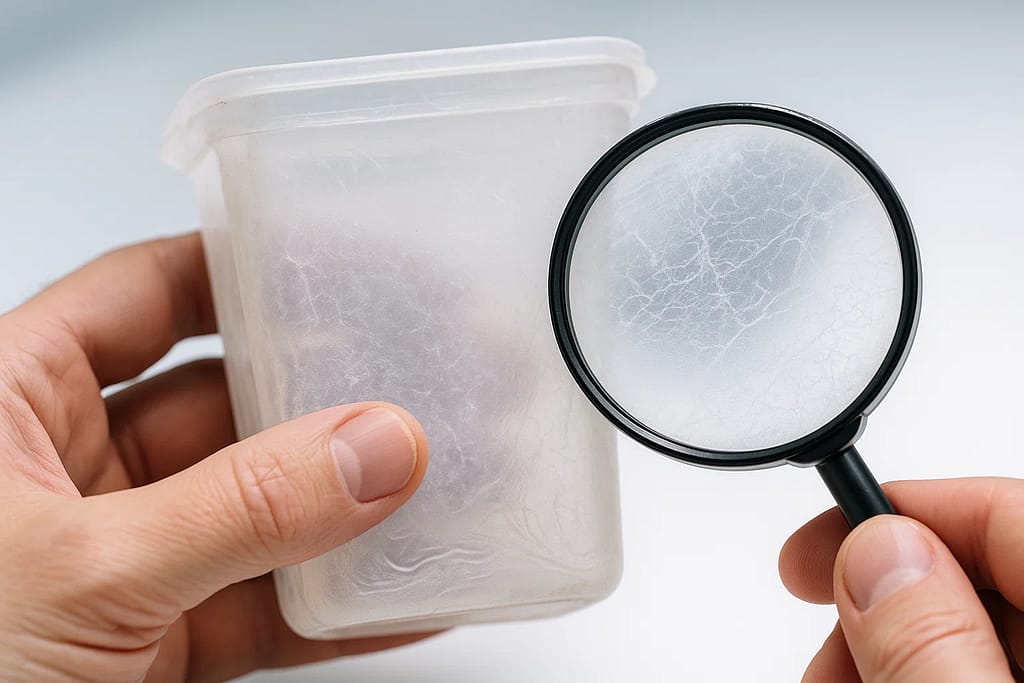
Cloudiness, white stress marks, or rough surfaces indicate chemical breakdown. Continue using degraded plastics exposes your family to concentrated chemical leaching. Replace any plastic showing visible wear—the investment protects long-term health.
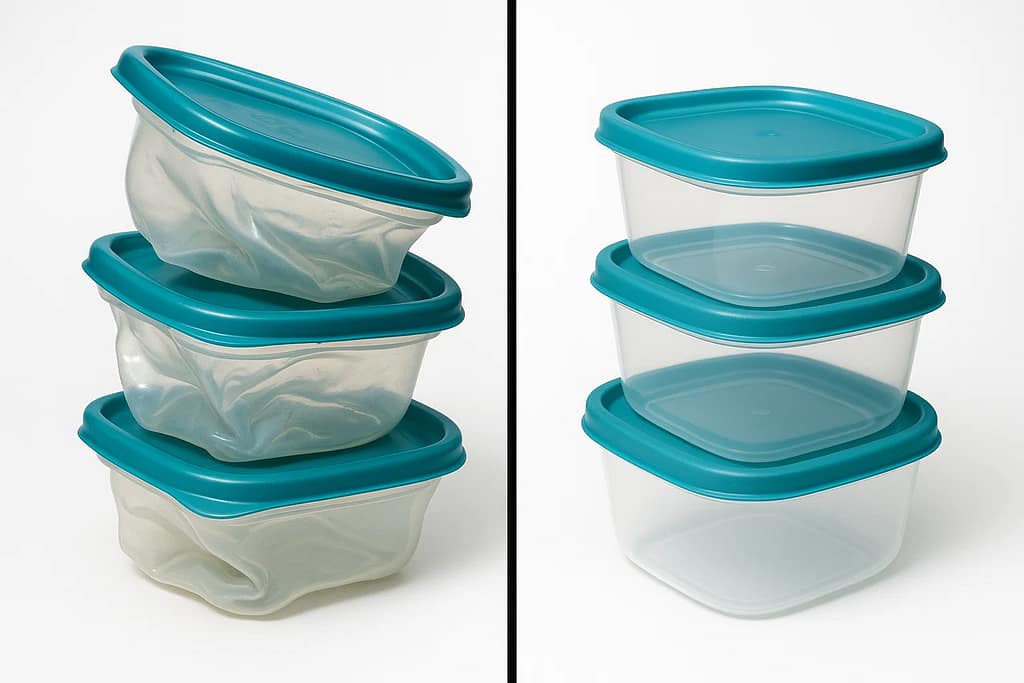
This violation creates the most dramatic failures. Lids warp into unusable shapes, containers develop permanent deformities, and thin plastics sometimes melt onto heating elements. Since heating elements are on the bottom of a dishwasher, the top rack doesn’t get as hot, which is why fragile items like plastic Tupperware are top-rack safe only.
Residual heat continues affecting plastics after washing completes. The enclosed dishwasher environment traps heat, maintaining elevated temperatures for 20-30 minutes. Remove plastics immediately or prop the door open to accelerate cooling.
Pre-2010 plastics often contain chemicals now recognized as dangerous. Manufacturing standards improved significantly after BPA bans took effect. Replace plastic containers over 10 years old regardless of apparent condition—invisible chemical changes occur long before visible degradation.
For information about other common appliance issues, visit our article on 10 common appliance problems and how to prevent them.
The Problem
Sarah Thompson from Portland, Oregon, purchased a 40-piece set of colorful plastic containers from a discount retailer in March 2024. The set cost $89 and featured prominent “BPA-FREE” labeling on the packaging. Excited about her organizational upgrade, she immediately loaded half the containers into her dishwasher using the sanitize cycle for “extra cleanliness.”
After the first wash, several lids showed slight warping. Sarah dismissed this as normal settling and continued using the sanitize cycle for all plastic items. Within two months, 60% of the containers had permanently warped lids that no longer sealed properly. Food spoiled faster, and she noticed a persistent chemical smell when opening containers.
Health Wake-Up Call
Sarah’s six-year-old daughter developed unexplained skin rashes coinciding with increased container use. Her pediatrician questioned food storage methods during the examination. Blood tests revealed elevated BPA metabolites—surprising given the “BPA-free” product claims.
Investigation revealed the containers used BPS (Bisphenol S) as their BPA alternative. The sanitize cycle’s extreme temperatures caused extensive chemical leaching. Sarah’s insurance covered $280 in medical tests and dermatologist visits.
The Solution Implemented
Sarah replaced all contaminated containers with glass storage vessels featuring silicone seals—total cost $170. For situations requiring plastic, she purchased only #5 polypropylene containers from established brands like Rubbermaid and Pyrex. She switched to normal wash cycles exclusively and implemented strict replacement schedules.
Measured Results
Her daughter’s rashes cleared within three weeks of eliminating contaminated containers. The family now experiences zero container failures after six months. While initial glass investment exceeded plastic costs, the durability eliminated replacement cycles entirely. Sarah calculated $450 in total costs from the original mistake: $89 for ruined containers, $280 in medical expenses, and $81 for two replacement plastic sets before switching to glass.
Key Lessons
The critical failure points included trusting unverified “BPA-free” claims without checking actual plastic types, using sanitize cycles inappropriate for any plastics, and continuing to use visibly damaged containers. Sarah now advocates for consumer education about recycling codes and proper dishwasher settings within her parent community.
Even with careful plastic selection, reducing exposure provides additional safety margins for your family.
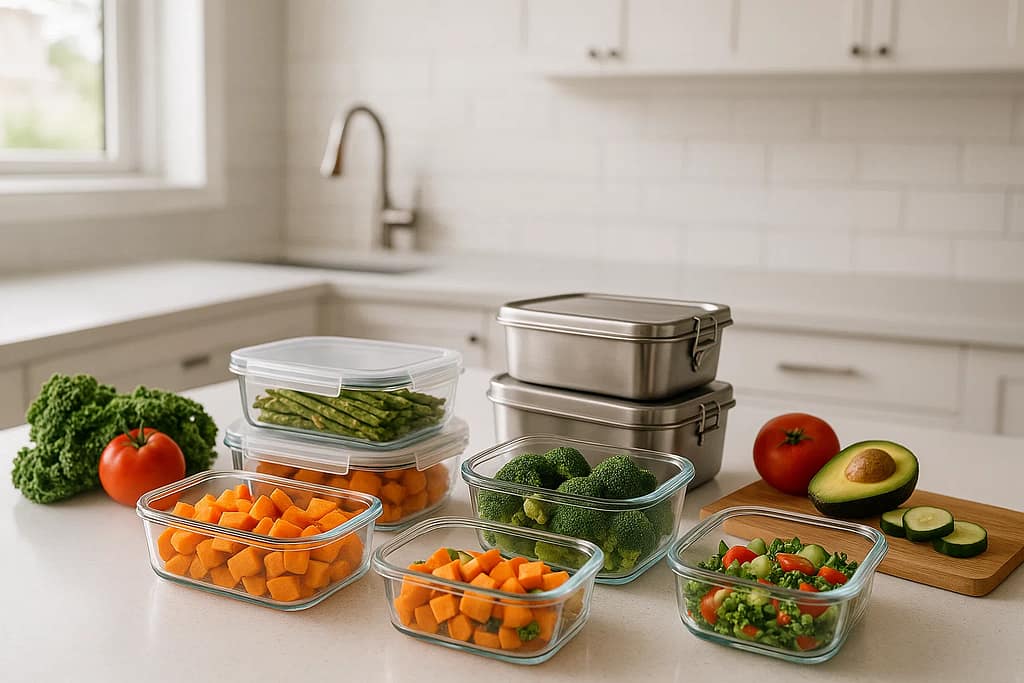
Strategy 1: Transition to Glass and Stainless Steel
Glass containers eliminate chemical leaching concerns entirely. Brands like Pyrex, Anchor Hocking, and Glasslock offer comprehensive ranges with secure lids. Stainless steel lunch boxes and water bottles provide durable alternatives lasting decades.
Initial investment runs higher—quality glass containers cost $3-7 each versus $1-2 for plastic. However, glass typically lasts 10+ years without degradation, making long-term economics favorable.
Strategy 2: Implement Strict Replacement Schedules
Establish replacement timelines regardless of visible condition. Replace daily-use plastic containers annually, occasional-use items every two years, and children’s dishes every 18 months due to their higher exposure vulnerability.
Mark purchase dates on container bottoms with permanent marker. This simple system prevents aging items from remaining in rotation past safe use periods.
Strategy 3: Use Plastics for Storage, Not Heating
Transfer food to glass or ceramic before microwaving or serving hot items. This practice eliminates the primary pathway for chemical leaching—direct heat contact with plastic surfaces. Store cold items in plastic if necessary, but always transition to non-plastic vessels for temperature elevation.
Strategy 4: Hand Wash High-Risk Items
Baby bottles, children’s sippy cups, and food containers used for fatty foods warrant hand washing. Oils and fats facilitate chemical transfer from plastic to food. Manual cleaning with lukewarm water minimizes this pathway while maintaining sanitation.
Strategy 5: Prioritize Airflow During Storage
Store cleaned plastic containers with lids removed to allow complete drying and air circulation. Trapped moisture creates conditions favoring chemical migration and bacterial growth. This practice also prevents musty odors that signal degradation.
Strategy 6: Read Manufacturer Guidelines
Reputable brands provide detailed care instructions. Companies like Rubbermaid, Tupperware, and Sistema publish comprehensive dishwasher guidelines including optimal cycle settings and replacement recommendations. Following these instructions maximizes both safety and product lifespan.
Knowing when to retire plastic items protects health and prevents waste of cleaning effort on compromised materials.
Visual Assessment Checklist
Examine plastics under bright light quarterly. Look for cloudiness throughout the material—not just surface films removable by washing. Check for stress lines appearing as white marks, particularly near corners and edges. Press container sides gently; excessive flexibility or cracking sounds indicate structural breakdown.
Smell test reveals chemical changes. New plastics smell mildly like plastic but not strongly chemical. Developed odors—particularly acidic, sweet, or petroleum scents—signal degradation. Any unusual smell warrants immediate disposal.
The Recycling Decision
Not all damaged plastics qualify for recycling streams. Check local recycling guidelines—many facilities reject #3, #6, and #7 plastics entirely. Food-contaminated plastics often face rejection regardless of type.
Thoroughly clean containers before recycling attempts. Remove labels when possible. Flatten items to maximize recycling facility efficiency. When doubt exists about recyclability, waste stream disposal proves more appropriate than contaminating recycling batches.
Special Disposal Considerations
Some municipalities offer hazardous waste collection for plastics containing concerning chemicals. Contact local environmental services to inquire about plastic disposal events. Never burn plastic waste—combustion releases toxic compounds into the air.
Baby bottles and children’s items deserve extra caution. Many charitable organizations refuse used plastic children’s items due to contamination concerns. Recycling or waste disposal proves more appropriate than donation attempts.
Documentation for Future Reference
Photograph problematic plastics alongside their manufacturer information before disposal. This documentation assists with complaint filing if patterns emerge across multiple items. Consumer protection agencies track product safety through these reports.
Washing plastics in your dishwasher requires more than finding the right symbol—it demands understanding material science, health implications, and proper technique. The stakes include your family’s health, your appliance’s lifespan, and hundreds of dollars in potential kitchenware replacement costs.
Remember these critical takeaways: Only wash plastics marked #2, #4, or #5 with explicit dishwasher-safe symbols. Always use top rack placement and normal temperature cycles—never sanitize settings. Replace plastic containers showing any degradation signs immediately. Transition toward glass and stainless steel alternatives wherever practical.
These simple principles prevent 95% of plastic dishwashing problems while dramatically reducing chemical exposure risks. Start by auditing your current plastic inventory today—check recycling codes, verify dishwasher symbols, and replace questionable items. Your family’s long-term health deserves this small investment in proper kitchenware management.
Can all BPA-free plastics go in the dishwasher safely?
No, BPA-free status doesn’t guarantee dishwasher safety. These plastics may use alternative bisphenols like BPS, BPF, or BPAF with similar health concerns. Check for explicit dishwasher-safe symbols and verify the recycling code indicates #2, #4, or #5. Many BPA-free items use Tritan plastic which generally tolerates dishwasher conditions, but manufacturer guidelines should always be followed. Temperature limits matter more than BPA status for dishwasher safety.
What do the recycling numbers on plastic containers mean for dishwasher use?
Recycling codes indicate plastic type and heat tolerance. Number 5 (polypropylene) proves safest for dishwashers, withstanding temperatures up to 210°F. Numbers 2 and 4 (HDPE and LDPE) work on top racks with normal cycles. Avoid numbers 1, 3, 6, and 7 entirely—these plastics contain chemicals that leach when heated or lack structural integrity for high temperatures. The recycling number matters more than “dishwasher safe” claims for actual safety determination.
How can I tell if my plastic container has been damaged by the dishwasher?
Look for cloudiness that doesn’t wash away, white stress marks near corners or bends, warped or misshapen areas, rough or pitted surfaces, and persistent chemical odors. Press the container sides—excessive flexibility indicates structural breakdown. Lids that no longer seal properly signal warping damage. Any visible changes from original appearance warrant replacement. Damaged plastics leach chemicals more readily and compromise food safety regardless of original quality.
Is it safe to wash baby bottles and sippy cups in the dishwasher?
Modern baby bottles designed after 2012 typically use #5 polypropylene and include dishwasher-safe labeling. Always place them on the top rack and use normal cycles—never sanitize settings despite the appeal for baby items. Remove bottles immediately after washing and air dry completely. Hand washing with hot soapy water provides equal sanitation with less chemical leaching risk. Replace baby bottles every 3-4 months regardless of apparent condition due to high-use intensity and child vulnerability.
What’s the best dishwasher cycle for washing plastic items?
Normal or eco cycles work best for plastics, maintaining temperatures between 120-140°F. Avoid sanitize, heavy-duty, or high-temperature cycles exceeding 160°F. Disable heated dry functions—air drying prevents sustained heat exposure that accelerates degradation. Quick wash cycles use lower temperatures but may not remove grease effectively from plastic surfaces. The normal cycle with air dry provides optimal balance between cleaning effectiveness and plastic preservation.
Can I wash disposable plastic containers and reuse them?
No, disposable plastics should never go in dishwashers. Single-use items use low-grade plastics with melting points around 140°F—dishwashers typically operate at 130-160°F. These containers warp immediately and release chemicals including BPA alternatives. Disposable water bottles, takeout containers, and plastic cutlery lack the structural integrity for high-temperature exposure. Using them once as intended, then recycling appropriately, proves far safer than attempting reuse.
How often should I replace plastic food storage containers?
Replace daily-use containers annually, occasional-use items every two years, and children’s items every 18 months. Visible degradation requires immediate replacement regardless of age. High-quality #5 polypropylene containers from reputable brands may last longer, but chemical changes occur before visible signs appear. Mark purchase dates on containers to track age. Aggressive use patterns—frequent dishwashing, microwave heating, acidic food storage—necessitate more frequent replacement. When doubt exists, err toward replacement for health safety.
What are the safest alternatives to plastic for food storage?
Glass containers with silicone or plastic lids provide the safest option, completely eliminating chemical leaching from container bodies. Brands like Pyrex, Glasslock, and Anchor Hocking offer comprehensive ranges. Stainless steel works excellently for lunches, water bottles, and dry goods storage. Silicone proves safe for flexible applications like ice cube trays and collapsible containers. These alternatives cost more initially but last indefinitely with proper care, providing better long-term economics than replacement plastic cycles.
Having dishwasher issues beyond plastic safety? Check out these helpful guides:
For professional appliance repair services, maintenance plans, and expert consultations, visit Appliquix to connect with certified technicians in your area.