
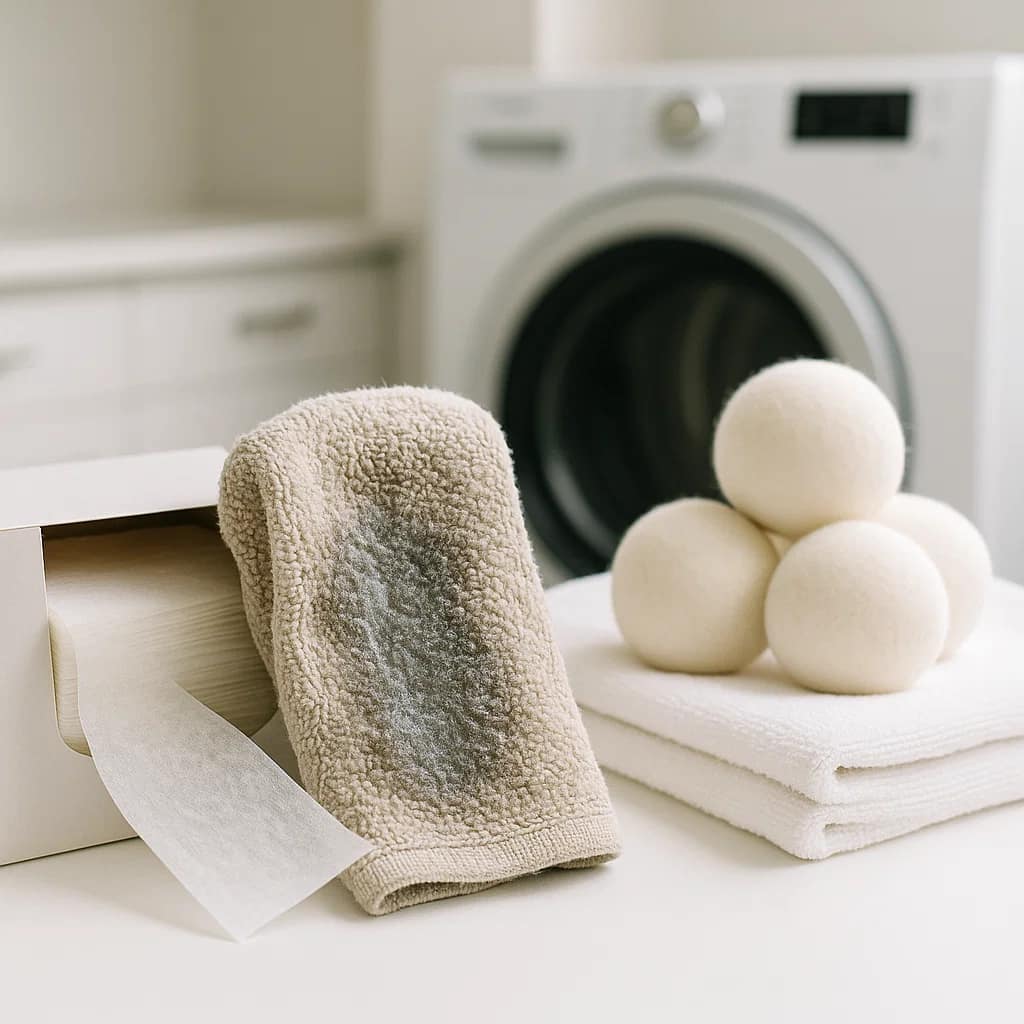
What: Dryer sheets are chemical-coated polyester sheets that claim to soften fabrics and reduce static but may damage clothing through waxy residue buildup.
Who: Homeowners concerned about clothing longevity, people with sensitive skin, and environmentally conscious consumers seeking safer laundry alternatives.
Why: Over 70% of fabric softeners earn a “D” or “F” safety rating from the Environmental Working Group, raising concerns about health and fabric damage.
When: Critical to evaluate now as modern detergents and alternatives make dryer sheets increasingly unnecessary in 2025.
How: Understanding the science behind chemical coatings, fabric interactions, and safer alternatives helps protect your wardrobe investment.
Are your favorite towels becoming less absorbent? Is your athletic wear losing its moisture-wicking properties? The culprit might be sitting in your laundry room. Dryer sheets coat fabric with chemicals that transfer to garments during the drying cycle, creating problems that worsen over time.
These chemical-laden products damage the structural integrity of clothing and linen, leave waxy deposits that make towels less absorbent, and inhibit the wicking ability of athletic gear. Many people unknowingly sacrifice clothing quality for temporary softness and fragrance.
This guide separates fact from fiction about dryer sheets. You’ll discover which common beliefs are myths, understand the real damage these products cause, and learn effective alternatives that protect both your clothes and your health.
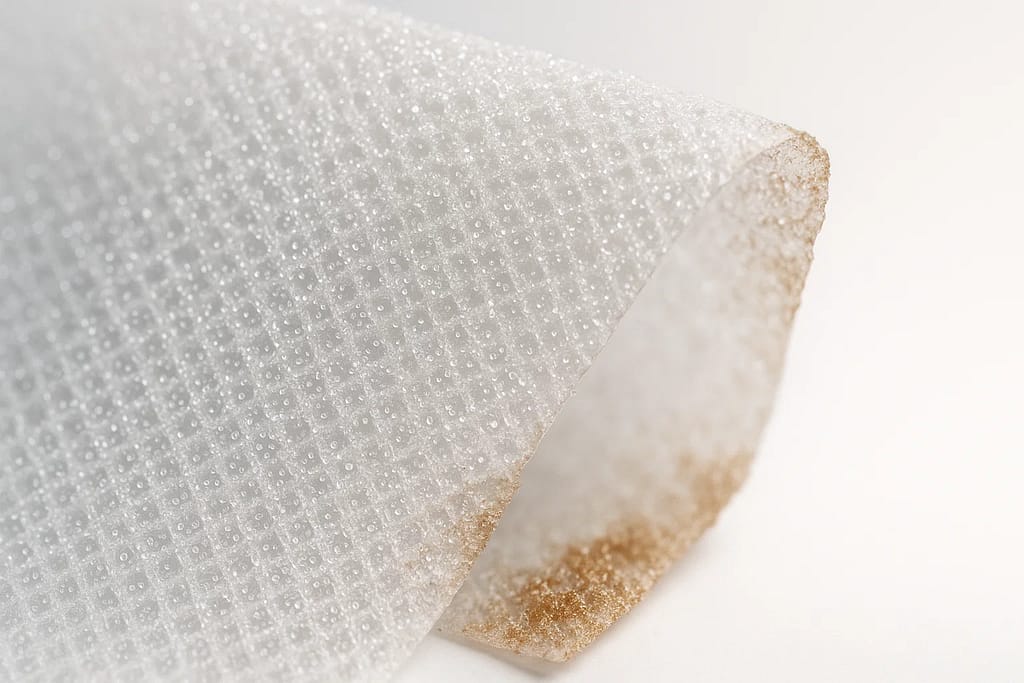
Dryer sheets are thin, coated sheets designed to reduce static, soften fabrics, and impart a pleasant scent to laundry by releasing a mix of chemicals during the drying process. Understanding their mechanism reveals why they cause problems.
Most dryer sheets contain a blend of stearic acid or fatty acids, quaternary ammonium compounds, and artificial fragrances. These ingredients work by:
The coating that goes on fabric feels soft, but it’s the equivalent of putting a thick layer of lotion on your hand. This artificial softness masks the actual condition of your fabrics.
Contrary to popular belief, dryer sheets don’t actually improve fabric quality. They simply mask texture with chemical coatings that accumulate with each use.
The Truth: Dryer sheets don’t actually make clothes any softer, although it might feel that way. The perceived softness comes from chemical residue coating the fibers, not improved fabric quality.
What Really Happens: The waxy coating fills gaps between fibers, creating a slippery surface that feels soft temporarily. This coating builds up over time, eventually making fabrics stiff and less breathable.
The Truth: Fabric softeners and dryer sheets lessening the life of your dryer isn’t entirely true—it’s only true to the same extent that simply using your dryer lessens its life. However, static can be eliminated through better methods.
Better Approach: Use wool dryer balls, avoid over-drying clothes, or add a small amount of white vinegar to the rinse cycle.
The Truth: Dryer sheets are incompatible with certain types of fabric, as they can dull the properties of silk and wool, plus reduce the effectiveness of moisture-wicking, flame-resistant, and water-repellent fabrics.
Fabrics to Avoid:
The Truth: The “fresh” scent comes from synthetic fragrances, not cleanliness. Up to 95% of synthetic chemicals used to make fragrance recipes are derived from petrochemicals.
Natural Alternative: Air-dry clothes outdoors or use wool dryer balls with a few drops of essential oils for natural fragrance.
The Truth: Dryer sheets are coated with a silicone-like substance, and residue from the sheets can build up on sensors that tell your dryer when clothes are dry.
Real Impact:
The Truth: The fragrances and chemicals in dryer sheets can cause skin irritation or allergic reactions, particularly in those with sensitive skin.
Health Concerns: Up to 12.5 percent of adults reported adverse health effects such as asthma attacks, skin problems, and migraine attacks from the fragrance of laundry products coming from a dryer vent.
The Truth: Using any dryer sheets creates residue buildup. If you leave dryer sheets in the dryer, they can leave weird residue on your clothes.
Better Practice: Skip dryer sheets entirely and use reusable alternatives that don’t leave chemical residue.
Using fabric softener or dryer sheets causes a waxy build-up on cotton towels, making them less absorbent and attracting buildup over time. This problem worsens with repeated use.
Progressive Damage Timeline:
High-tech athletic gear made to wick sweat becomes damaged when coated with dryer sheet chemicals. The waxy residue clogs the fabric’s microscopic channels designed for moisture transport.
Performance Loss in Athletic Wear:
Dryer sheets reduce the flame-retardant properties of children’s sleepwear. The chemical coating interferes with fire-resistant treatments, creating serious safety concerns.
Safety Statistics:
The chemical film builds up over time and harms the structural integrity of clothing and linen. This manifests as:
Microfiber towels are particularly susceptible to damage from fabric softener and dryer sheets, as they are made to trap microscopic particles and absorb spills.
Why Microfiber Suffers:
Microfiber Items to Protect:
Cotton’s natural absorbency makes it especially vulnerable to dryer sheet damage. The waxy coating fills the spaces between cotton fibers meant to hold water.
Progressive Damage in Cotton:
Modern athletic wear uses specialized fiber structures that dryer sheets permanently damage:
Never use dryer sheets with children’s flame-resistant clothing. The safety implications are severe and immediate.
Why It’s Problematic: Residue clogs lint filters and affects airflow in your machine, leading to reduced efficiency, lint-covered clothes, and increased risk of dryer fires over time.
✅ Correct Approach: Skip dryer sheets entirely or use them only for specific non-absorbent synthetic fabrics like polyester dress shirts.
Why It’s Problematic: Residue from dryer sheets can build up on sensors, so clean them periodically with a cotton swab and rubbing alcohol once a month.
✅ Correct Approach:
Why It’s Problematic: Double coating accelerates damage and waste. The effects compound rather than enhance each other.
✅ Correct Approach: If you insist on using fabric softener, choose liquid softener OR dryer sheets, never both. Better yet, use neither.
Why It’s Problematic: If you leave dryer sheets in the dryer, they can leave weird residue on your clothes, creating spots and uneven coating.
✅ Correct Approach: Remove sheets immediately after each cycle, though eliminating them is the best solution.
Why It’s Problematic: Gym clothes need maximum breathability and moisture-wicking. Dryer sheets create the exact opposite effect by sealing fibers.
✅ Correct Approach:
Why It’s Problematic: Even fragrance-free versions contain quaternary ammonium compounds that damage fabrics and can irritate skin.
✅ Correct Approach: Switch to wool dryer balls or other mechanical alternatives that don’t use chemicals.
Dryer vents emitted more than 25 volatile organic compounds (VOCs), including chemicals like acetaldehyde and benzene, which are considered carcinogenic.
Exposure Routes:
Dryer sheets often contain chemicals that can emit volatile organic compounds during use, which may negatively impact indoor air quality and pose health risks, especially for individuals with respiratory conditions.
Reported Symptoms:
According to an Environmental Working Group study, 72% of products with the ingredient “fragrance” contained endocrine disruptors called phthalates.
Long-term Health Impacts:
The slimy coating is made up of a chemical called quaternary ammonium compounds (QACS) that has been shown to cause or worsen asthma and irritate sensitive skin.
Most Vulnerable Groups:
While a dryer sheet can only be used once, a set of wool dryer balls can last for years by rubbing and beating the fabric to mechanically soften fibers.
Benefits of Wool Dryer Balls:
How to Use:
Recommended Brands:
Add 1/2 cup of distilled white vinegar to your washing machine’s rinse cycle. It naturally softens fabrics, removes detergent residue, and eliminates odors.
Vinegar Benefits:
Pro Tip: Don’t worry about vinegar smell—it completely evaporates during drying.
The oldest and most effective method for soft, fresh-smelling clothes. Air drying eliminates static naturally and extends fabric life.
Advantages:
Crumple aluminum foil into 2-3 inch balls and toss in the dryer. They reduce static through electrical discharge.
How It Works:
Limitations: Doesn’t soften fabrics, only addresses static.
Some companies make chemical-free, reusable dryer sheets from natural materials that mechanically reduce static.
Features:
Sarah M., a mother of three in Portland, Oregon, spent $25 monthly on dryer sheets for her family’s 8-10 laundry loads per week.
Sarah switched to wool dryer balls in January 2024. Here’s what she did:
Step 1: Purchased two sets of wool dryer balls (6 total) for $22
Step 2: Deep-cleaned all towels and athletic wear to remove dryer sheet residue:
Step 3: Started using 3-4 wool balls per regular load, 5-6 for large loads
Step 4: Added 3 drops of lavender essential oil to balls once weekly for light scent
After 6 months (June 2024), Sarah documented impressive changes:
Cost Savings:
Health Improvements:
Fabric Quality:
Environmental Impact:
“I can’t believe I wasted money and damaged our clothes for years,” Sarah reported. “The wool balls work better, cost less, and I feel good about not exposing my kids to unnecessary chemicals.”
Fabric softener is the liquid version used during the washing cycle, while dryer sheets are the sheet version used during drying. Both coat fabrics with chemicals, but dryer sheets apply coating through heat activation in the dryer.
The best practice is avoiding dryer sheets entirely. If you must use them, never use with towels, athletic wear, microfiber, or children’s sleepwear. Clean dryer sensors monthly and remove sheets immediately after each cycle.
Most people notice softer clothes and reduced static immediately. However, clothes dry faster with wool balls, typically reducing drying time by 20-30% within the first few loads.
Remove buildup from existing clothes by washing in hot water with 1 cup baking soda, followed by a second wash with 1 cup white vinegar. For dryer sensors, use cotton swabs and rubbing alcohol monthly.
Yes. Residue clogs lint filters and affects airflow, leading to reduced efficiency and increased risk of dryer fires. Sensor coating causes inaccurate moisture detection, resulting in over-drying or damp clothes.
Slightly, but not significantly. While they eliminate fragrance chemicals, they still contain quaternary ammonium compounds and other softening agents that damage fabrics and can irritate sensitive skin.
Strip towels of buildup using this deep-cleaning method: Wash in hot water with 1 cup baking soda (no detergent). Run second wash with 1 cup white vinegar. Dry without dryer sheets. Repeat if needed. This process can restore 60-80% of original absorbency.
Don’t use too few balls (minimum 3 per load), don’t add too much essential oil (3-5 drops maximum), and separate wool balls from lint buildup during storage. Also, note that if you’re not using dryer balls correctly with temperatures too high or loads too large, clothes can still come out with static.
Dryer sheets create more problems than they solve. The temporary softness and fragrance come at the cost of damaged fabrics, compromised health, environmental harm, and increased appliance maintenance.
Key Takeaways:
The laundry industry is evolving toward cleaner, safer products. By eliminating dryer sheets from your routine, you’ll protect your clothing investment, safeguard your family’s health, and reduce environmental impact—all while saving money.
Make 2025 the year you break free from chemical-laden laundry habits. Your clothes, your health, and your wallet will thank you.